The food
Menu planning, shopping, preparation and cooking for your guest number. Bengali, Chittagong Mezban, English, or a menu that carries both.
Catering and event service · United Kingdom
Bengali menus, Chittagong Mezban, English occasion food and a waiting team working from one joined-up event plan.
WeddingsFamily occasionsCorporate hospitality
Plan it here
Three tools that turn a rough idea into a written brief: choose dishes, carry them into an enquiry, save the draft, and share the finished brief when you are ready.
Go through the Mezban, Bengali and English menus and tick what suits your event. Your choices are saved in this browser.
Open the menusAdd your date, guest numbers, venue and service level. The shortlist carries straight into the planner.
Start the plannerStaffing, venue requirements, allergens and how quotations work — answered before you enquire.
Read the answersYour shortlist and your draft are stored in your own browser. Nothing is sent to us until you decide to send it.
The food, the service and the room
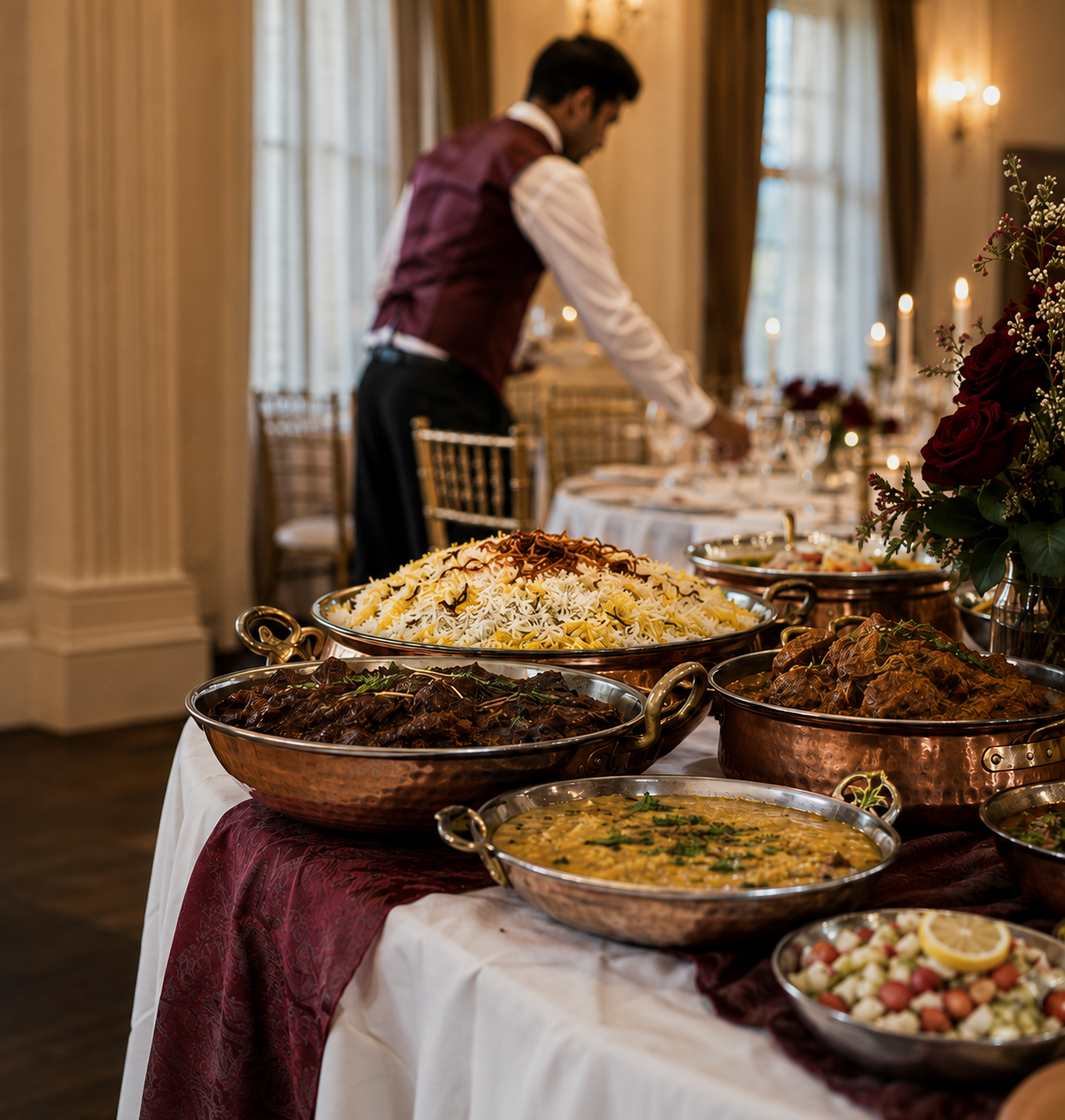
Most caterers stop at the kitchen door. We plan the cooking and the front of house together, so the food reaches the table at the point in the evening you actually want it to.
Menu planning, shopping, preparation and cooking for your guest number. Bengali, Chittagong Mezban, English, or a menu that carries both.
Buffet or table service, planned around the room you are in and the time your guests actually sit down.
Setup, a briefed waiting team, guest welcome, table attention, clearing and the close of the evening.
Take all of it or part of it: food only, food with buffet service, complete catering with a waiting team, or waiting staff on their own. Availability for your date is confirmed before anything is agreed.
Compare the service levels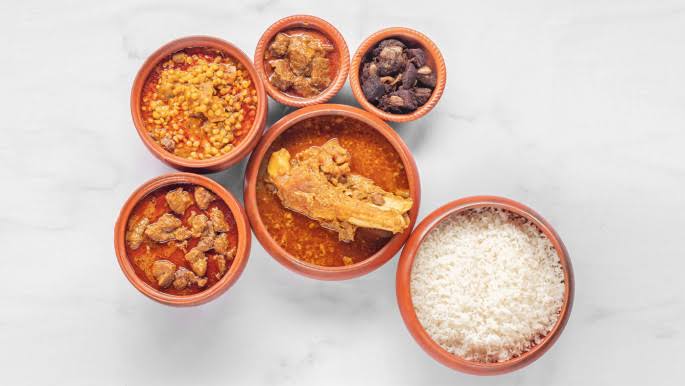
A Chittagong tradition
A Mezban is a hosting tradition, not a menu package. The beef sits at the centre of the table, the dal and the rice go out with it, and the room eats together. We cook it in quantity and serve it in sittings, with tables cleared and reset between them.
Three menu directions

A communal beef feast served the way Chittagong serves it.
View the dishes
Biryani, roast and rezala for weddings, Mehndi and family occasions.
View the dishes
Roasts, baked fish and seasonal vegetables for formal and corporate dining.
View the dishesHow booking works

Events we cater

The longest day in the diary, and the one where timing matters most.

Guests arrive over a longer window, so the food has to hold.

Large numbers, one shared meal, served in sittings.

Birthdays, engagements, anniversaries and gatherings at home.

Timed to the agenda, not the other way round.
Real events
The gallery is being built from photographs taken at Radwa's own events. Nothing on this page is a stock picture of someone else's work.


Plan your event
The planner takes a few minutes. You will end up with a written brief covering the menu, the service and the timings — yours to keep, edit and send when you are ready.
Catering and event service in the United Kingdom. Travel to your venue is confirmed for each event.
An enquiry is not a confirmed booking. Availability, menu and service are agreed in writing — see booking information.
Allergies and dietary requirements should be raised early. Read the allergens and dietary information.
Radwa's is the trading name of Radwa's Food Chain UK Limited.